An Ode to AgENCY
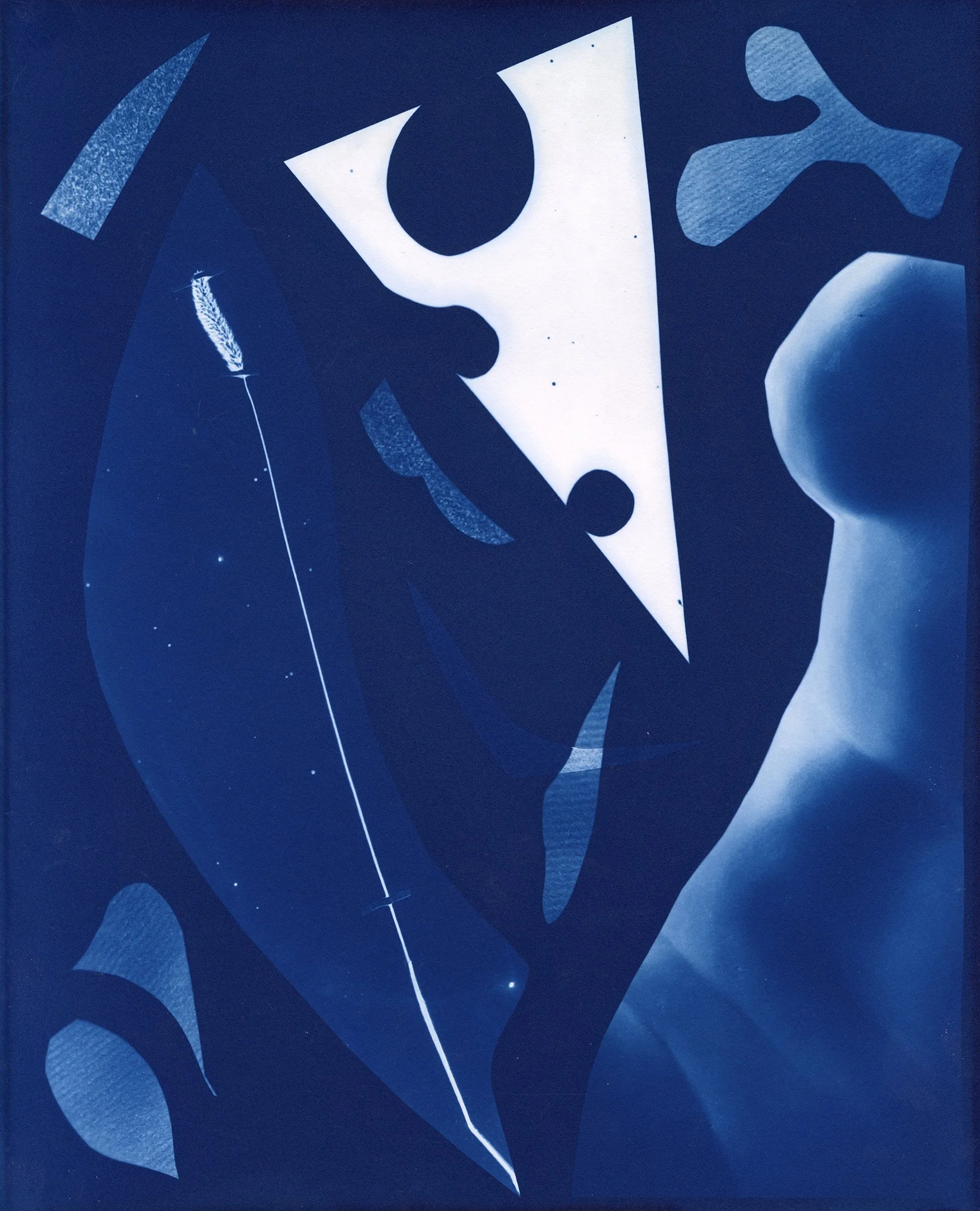
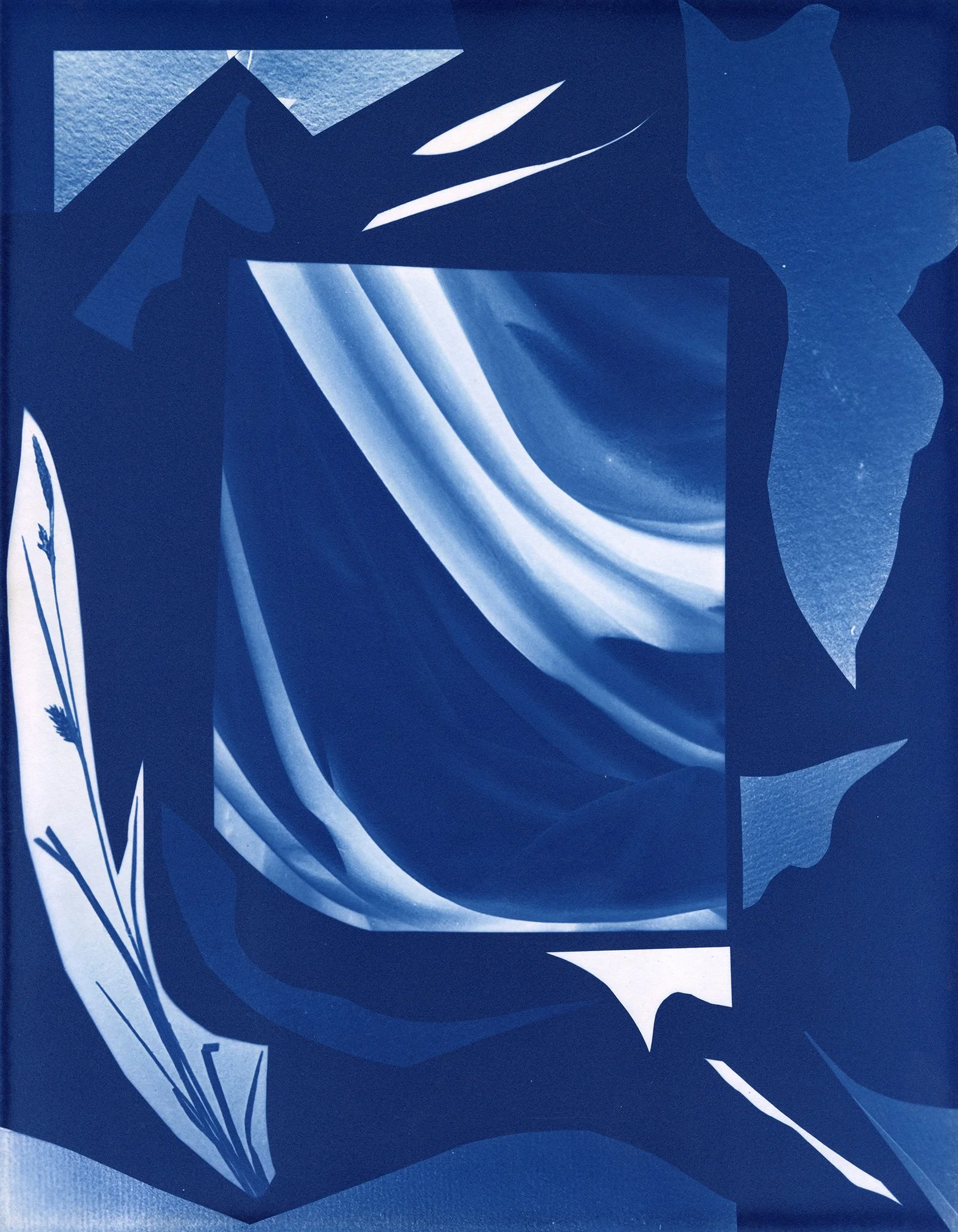
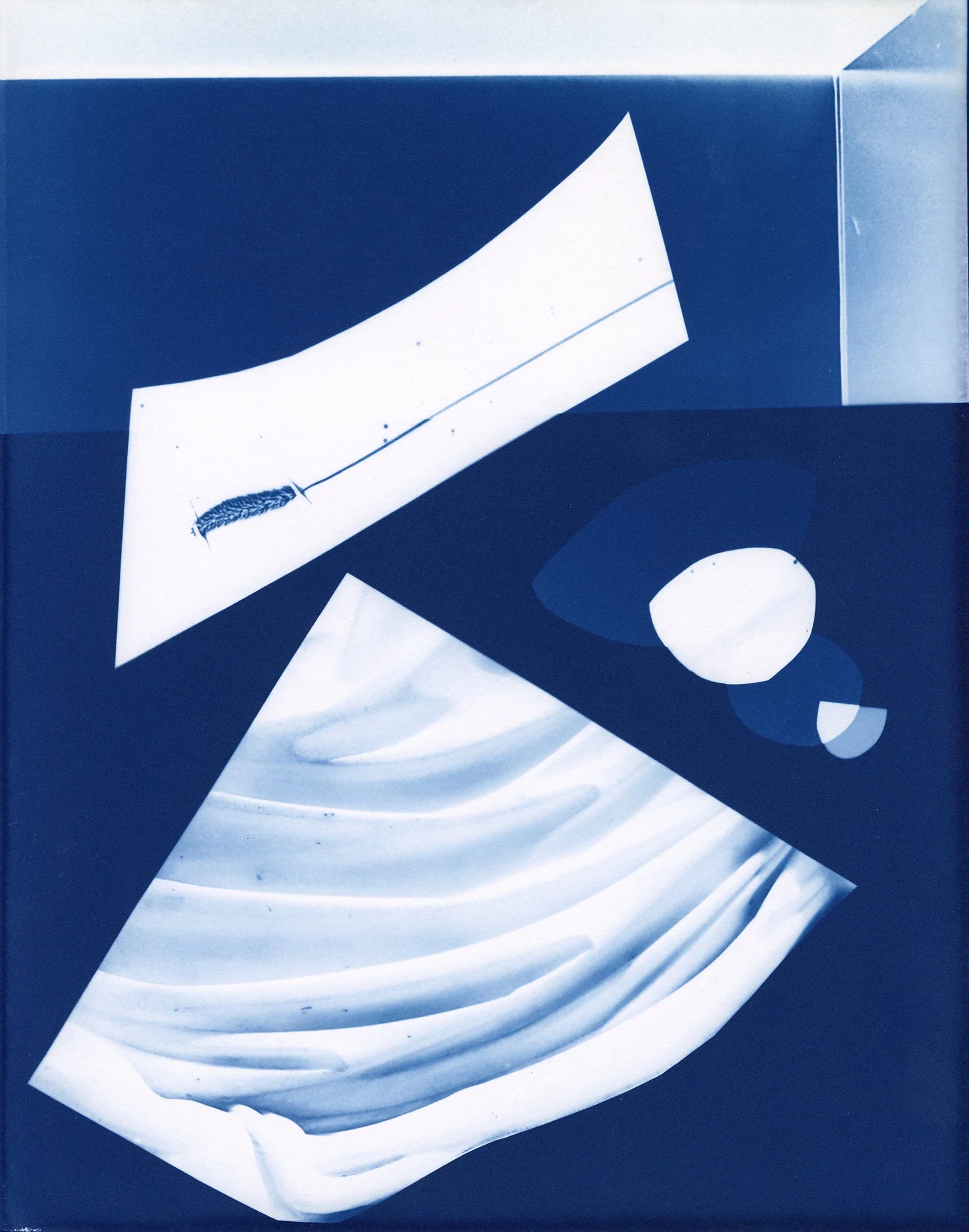
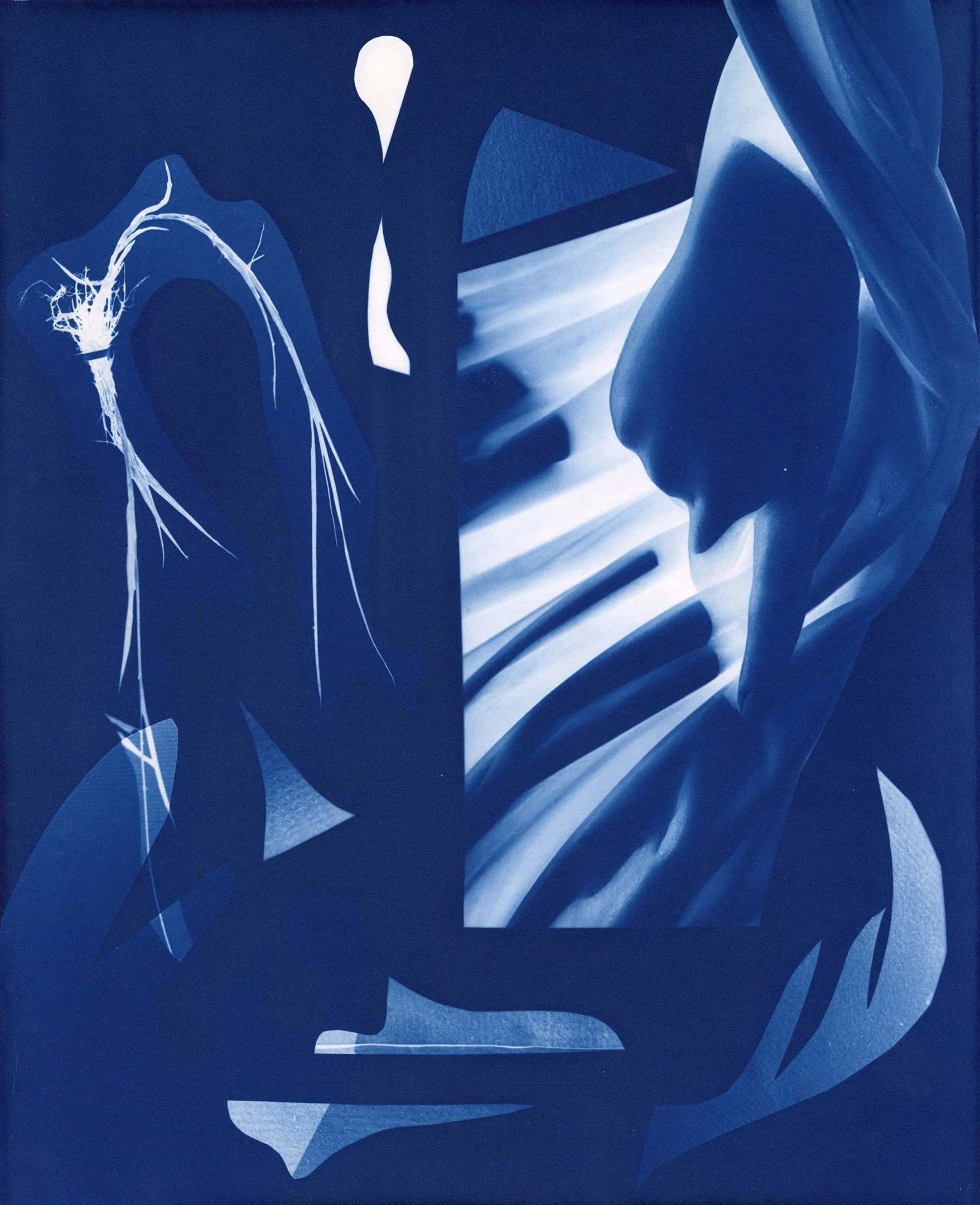
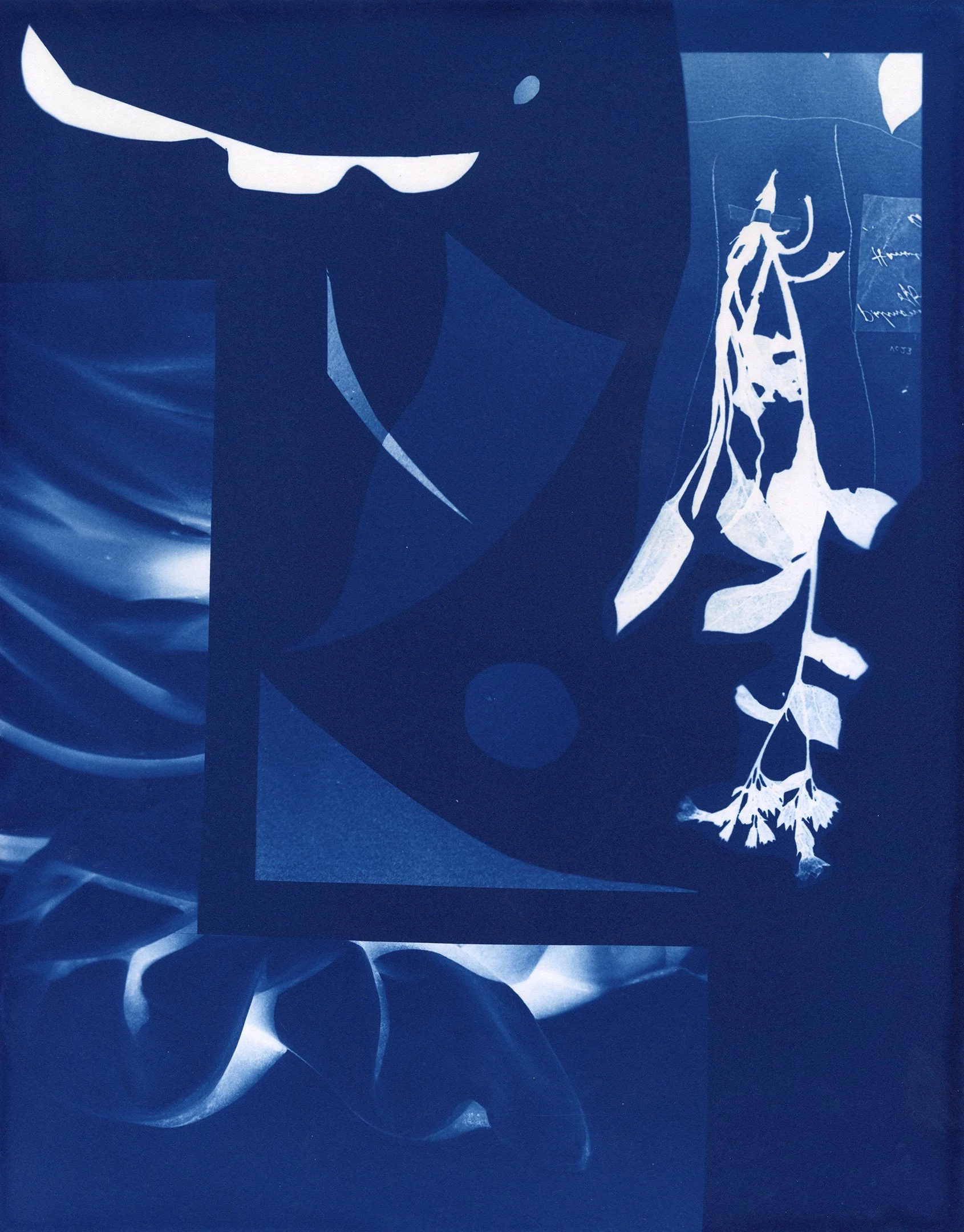
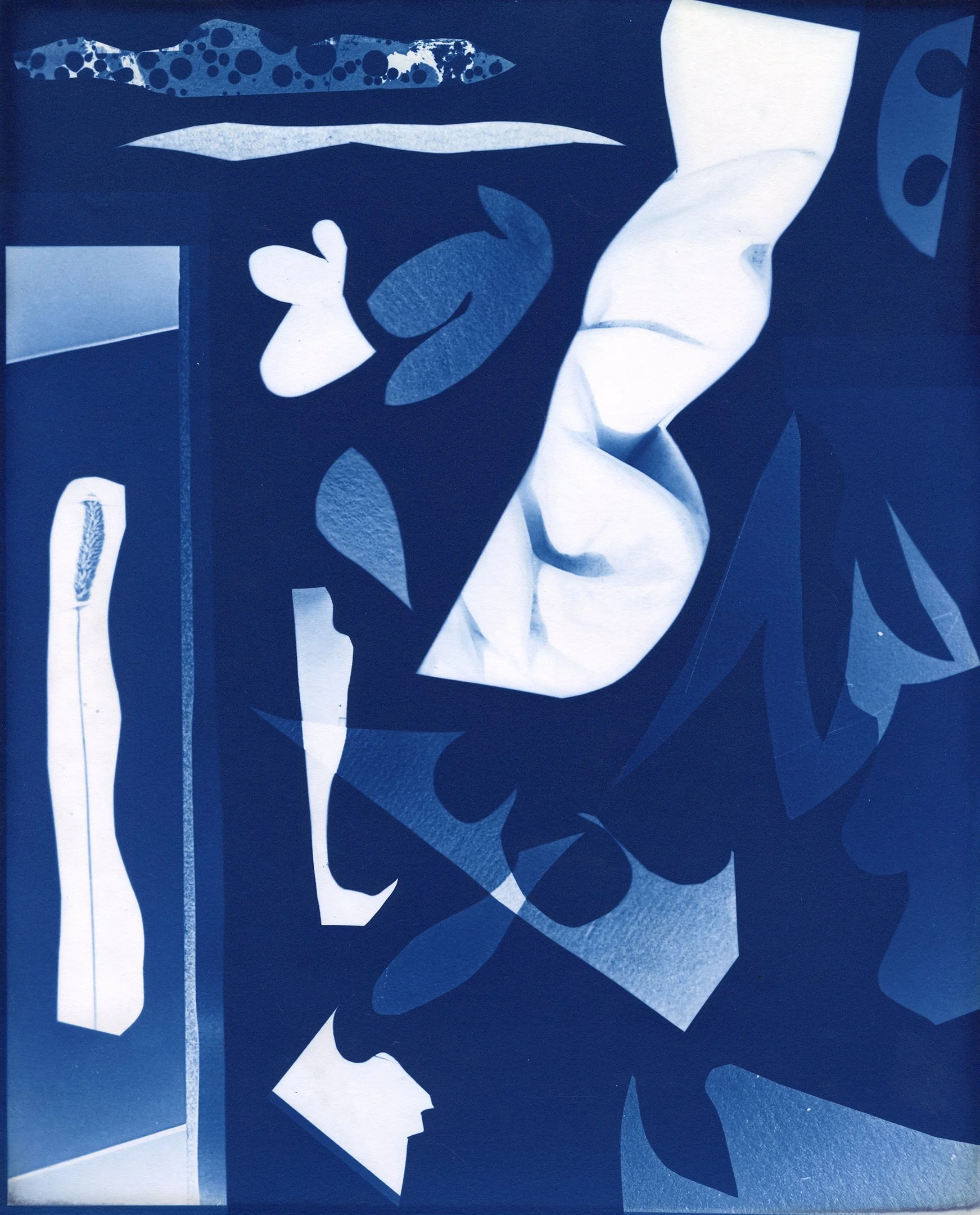
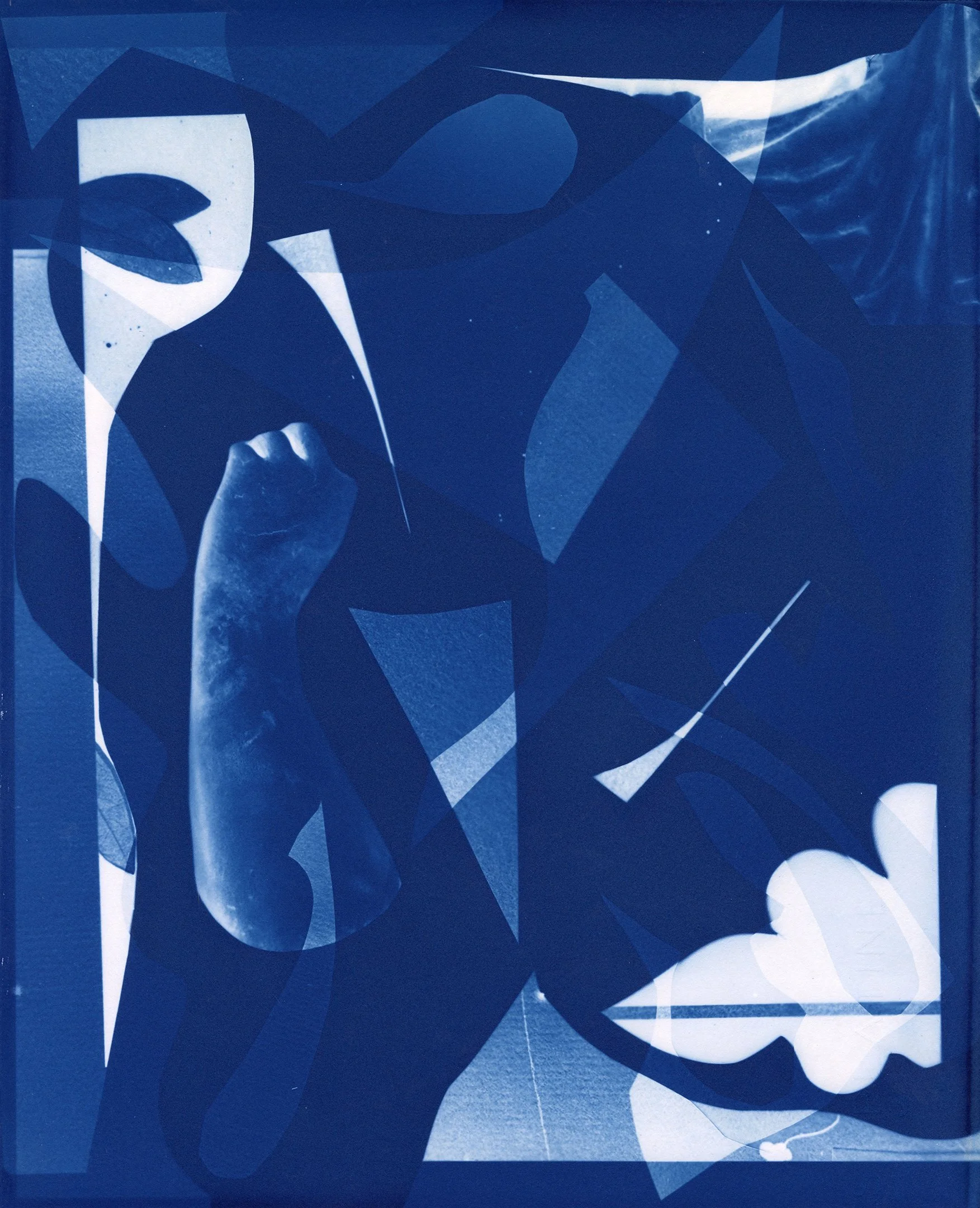
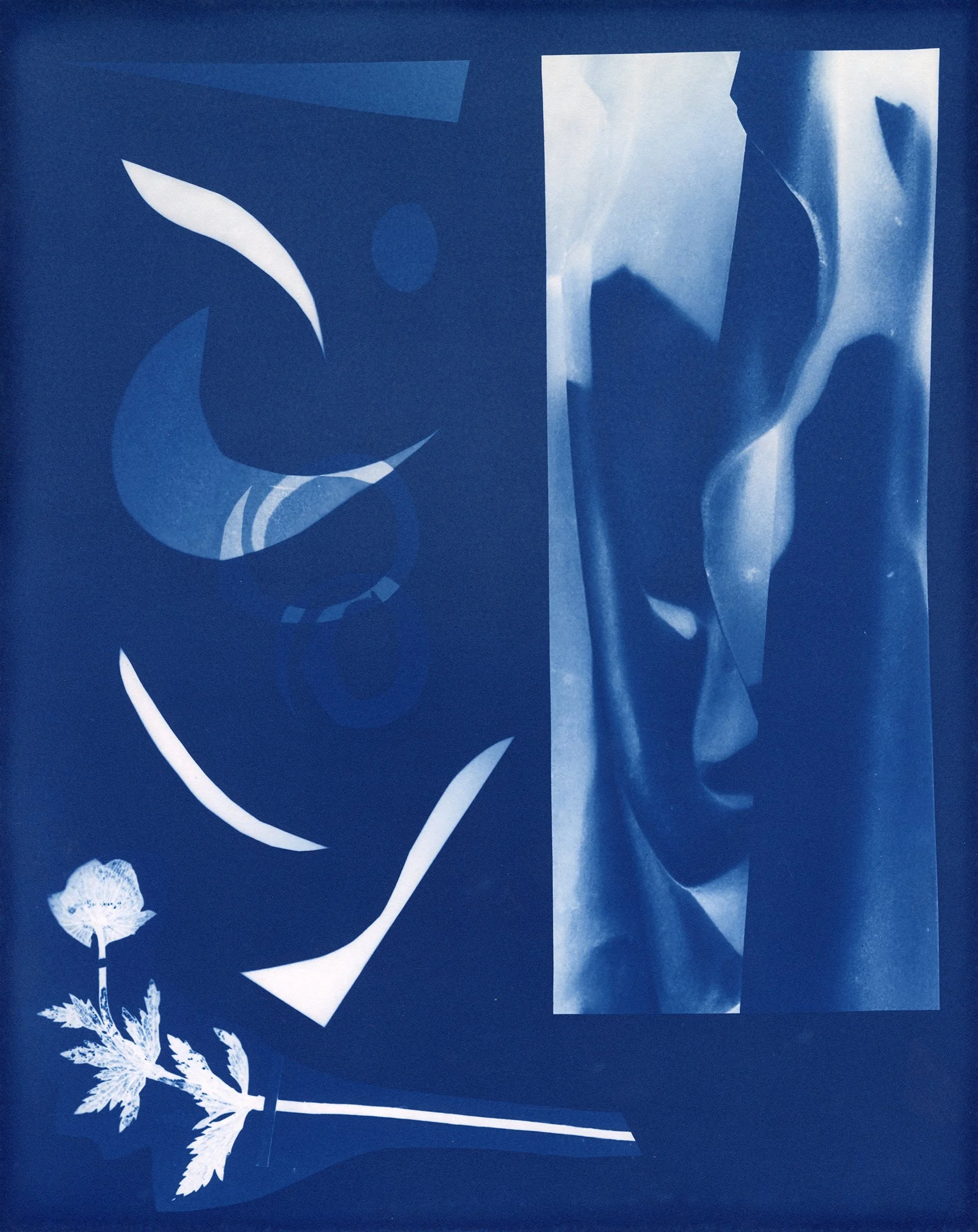
Femmage, or feminist collage, was a term coined by Miriam Schapiro and Melissa Meyer in the 1970s, and was defined as an activity “practiced by women using traditional women's techniques to achieve their art.”
In this series, An Ode to Agency, I draw upon this rich art historical movement, to reflect the deeply complex reality of women in the arts and sciences by creating touch points through specific objects, forms, and thought sourced between the mid 1800’s, 1970’s to this very moment time.
I used female statues to challenge historical portrayals of women as mere passive muses or aesthetic objects. Re-photographing, printing and cutting these forms takes them out of their original context and is a feminist practice. It is a means of dismantling the male artistic hand which in turn gives voice back to the feminized subject.
Body parts are then placed in relationship to botanical specimens. The intention is to reference botany as the only science considered to be socially acceptable and “ladylike” pursuit for a 19th century woman. For plants were viewed as delicate therefore making them a suitable hobby for the fragile constitution of the female during that time. Truth be told, women made profound contributions to botany that were often overlooked and rejected.
Beyond this notion, plants are represented within these frames, to acknowledge the new materialist thought, which states that plants possess vibrant material agency – the ability to act, resist, and shape their environment co-equally alongside humans.
Flowing fiber elements are fore fronted that allude to women’s domestic labor, handcraft and the decorative. In some cases, centering these fabric pieces instead of relegating them to the periphery. Reappropriating these objects and elevating them as the central point in some images makes them essential and therefore important.
Representational organic plant matter, curvy female bodies and domestic textiles are paired with more formalist elements, such as shades of blue, textures, and shapes, pushing attention to surface and depth. A nod to the tension between representational and formal valuation of art.
Compositions of movement and balance, fluidity and fertility grace these blue prints. They acknowledge women’s contributions to the arts and sciences, as well as the idea that plants have as much agency as humans. Laid out in equal representation, a combination of these objects and forms coalesce and transform, turning traits that have traditionally undermined, relegated and fetishized into symbols of empowerment.
***All images here re-photographed, turned into digital negatives and collaged. Female statuary forms drawn from the Victoria Albert Museum. All herbarium specimens and archival mounting paper scraps (shapes) are from Anna Atkins collection at the Natural History Museum in London.